
If something breaks during your move, who actually pays? More importantly, how much do you get back? This uncertainty keeps most homeowners up the night before the truck arrives. When you start researching moving insurance options, one thing becomes clear fast: most movers don’t sell insurance at all. They offer valuation coverage, which is a different thing legally.
These terms sound similar, but the distinction determines whether you receive sixty cents per pound or the full replacement cost for a shattered TV. This guide breaks down the differences between valuation and third-party insurance, covers the released value and Full Value Protection tiers, and flags the paperwork traps like Packed By Owner rules and electronics clauses that lead to denied claims. Before you sign your moving contract, you need to understand these definitions.
Valuation vs. Moving Insurance: Why $0.60 Per Pound Is Not Enough
Federal law requires moving companies to provide basic Released Value Protection at no additional cost. Under this coverage, reimbursement is typically limited to $0.60 per pound per item, regardless of the item’s actual value.
For example, a lightweight electronic device may receive very limited reimbursement under basic valuation coverage. This is why many homeowners explore additional protection options before moving day.
Third-party moving insurance works separately from mover valuation coverage. These policies are purchased through outside providers and may include different deductibles, exclusions, and claim requirements.
When comparing moving insurance options, most homeowners choose between these coverage types:
- Released Value Protection: Basic no-cost coverage included by federal law at $0.60 per pound per item.
- Full Value Protection (FVP): Additional coverage where the mover may repair, replace, or reimburse damaged items based on declared value.
- Third-Party Coverage: Separate protection purchased through an outside insurance provider for broader coverage options.
Before signing your moving contract, confirm your selected coverage, deductible, and declared value in writing. Reviewing these details ahead of time can help prevent confusion if a claim needs to be filed after the move.
Comparing Moving Insurance Costs and Coverage
Higher coverage costs do not automatically guarantee better protection. Claim eligibility often depends on documentation requirements, inventory accuracy, and whether items were professionally packed.
Here’s how the main moving insurance options typically compare:
- Released Value Protection: Basic coverage included at no additional cost. Best suited for lower-value household items.
- Full Value Protection: Higher protection limits that may include repair or replacement reimbursement.
- Third-Party Insurance: Additional coverage purchased separately through an outside provider.
- Homeowners Policy Riders: Some homeowners insurance policies may offer limited in-transit protection.
Understanding the True Cost of Protection
The cost of additional moving protection depends on several factors, including the declared value of your belongings, deductible selection, move distance, and coverage type. Coverage pricing and eligibility requirements vary between providers, so review all protection details carefully before signing your moving paperwork.
The $100 Per Pound Rule for High-Value Items
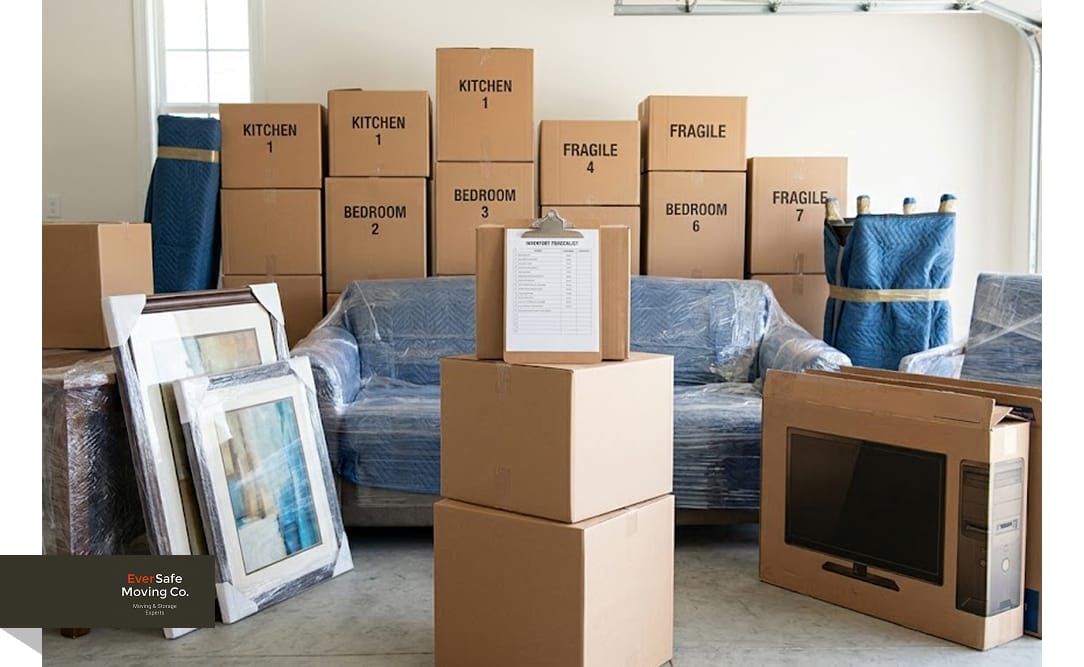
Most professional movers classify high-value items as belongings worth more than $100 per pound. These items often require additional documentation or inventory forms before moving day to qualify for higher reimbursement protection.
Jewelry, antiques, artwork, collectibles, and premium electronics commonly fall into this category.
Proper documentation can help support a smoother claims process if damage occurs during transit. One common issue involves items packed by the customer rather than professional movers, which is explained further below.
How to Avoid Moving Insurance Gaps: PBO and Mechanical Derangement
Some moving-related claims are denied even when there is no visible external damage. Two common exclusions involve Packed By Owner (PBO) boxes and Internal Mechanical Derangement (IMD) clauses for electronics.
Packed By Owner (PBO) means the customer packed the box rather than the moving company. In some cases, movers may deny damage claims if improper packing is suspected.
Internal Mechanical Derangement (IMD) applies to electronics that stop functioning without visible external damage. These exclusions are common in many moving contracts and protection policies.
Follow this checklist to protect your claim eligibility before the truck shows up:
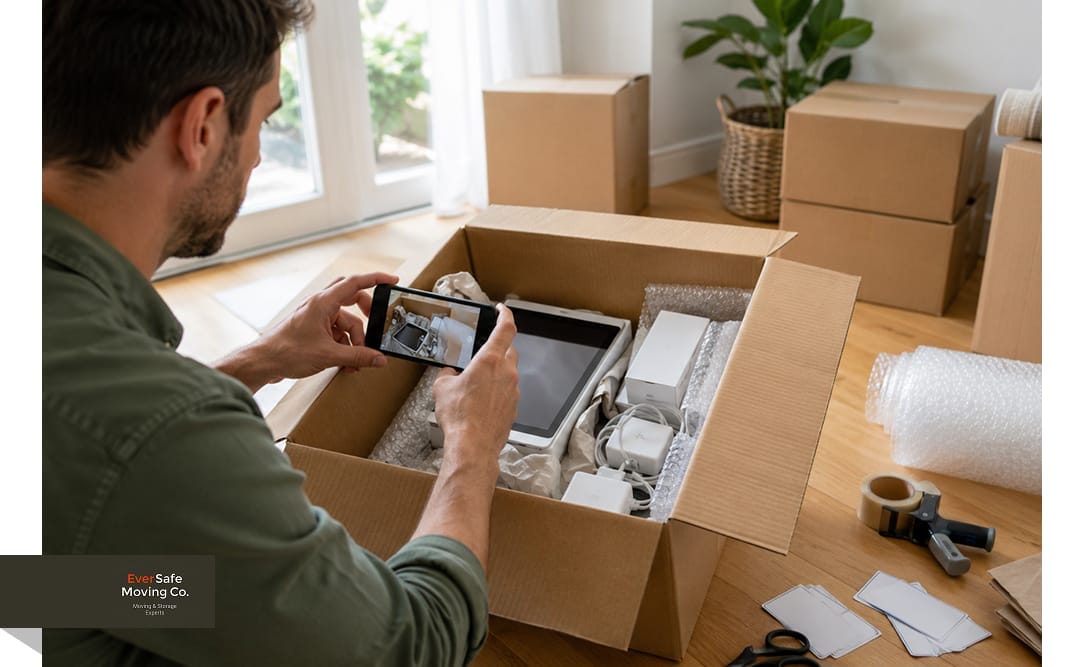
- Document Functionality: Record power-on videos of all electronics at the pickup location. Time-stamp counts.
- Log Serial Numbers: Collect the make, model, and serial number for every high-value item. Submit this to your mover at least 24 hours before move day.
- Label with Precision: A generic label like ‘Kitchen Fragile’ isn’t enough for a claim. Number every box and photograph the contents before sealing.
Professional packing services can help reduce disputes over damaged items in transit. Working with a residential moving company that handles both packing and transportation creates clearer accountability throughout the move.
5 Steps to Choose the Right Moving Insurance Coverage
Choosing the right protection depends on the value of your belongings, your budget, and your overall risk tolerance. Review these considerations before selecting coverage for your move:
- Identify items that would be difficult or expensive to replace out of pocket.
- Separate high-value belongings that may require additional documentation.
- Decide whether professional movers or the homeowner will handle packing responsibilities.
- Consider whether your move is local or long distance, since handling requirements may differ.
- Review deductible options and reimbursement limits carefully before signing paperwork.
Basic valuation coverage may work for lower-value household items. However, homeowners moving antiques, artwork, premium electronics, or sentimental belongings often explore additional protection options for added peace of mind.
What Moving Insurance Options Are Right for Your Move?
The protection you choose before moving day can significantly affect reimbursement eligibility if items are damaged during transit. While basic valuation coverage is included by default, many homeowners prefer additional protection for higher-value belongings.
At EverSafe, we review coverage options with customers before contracts are finalized so expectations remain clear throughout the moving process. Completing inventory documentation, limiting Packed By Owner boxes, and keeping organized records can help support smoother claim handling if issues arise.
Your moving protection action plan:
- Select your coverage: FVP for standard residential moves. Basic valuation only for low-value items you can easily replace.
- Get it in writing: Confirm your valuation choice, deductible, and total declared value on the contract before signing.
- Inventory high-value items: List antiques, jewelry, or electronics worth more than $100 per pound. Submit the list 24 hours ahead.
- Limit PBO boxes: Let professionals pack fragile and expensive items to preserve claim eligibility.
- Document condition: Photograph serial numbers. Record video of electronics functioning before the move.
Ready to book? Get an upfront estimate you can plan around.
Frequently Asked Questions
Is moving company insurance the same as moving valuation coverage?
No. They are different types of protection. Valuation is the liability a mover accepts under their contract. Moving insurance is a separate policy from a third-party provider. Check your Bill of Lading or Order for Service documents to confirm what you selected, and review those papers before the movers begin loading.
What does $0.60 per pound actually mean for my belongings?
Under basic released value protection, a 100-pound dresser is only covered for $60 total, regardless of what you paid for it. This formula benefits heavy, inexpensive items over light, high-value ones like laptops or small appliances. Many homeowners choose additional protection for higher-value belongings.
What is a high-value inventory form, and do I need one?
A high-value inventory form lists any item worth more than $100 per pound, including jewelry and fine art. Submit it before your move date so these items are protected at full replacement value instead of the basic weight rate. Include photos, model numbers, and serial numbers to support any future claim.
What does Packed By Owner (PBO) mean and will it void my claim?
PBO means you packed the boxes yourself rather than using professional packers. Movers are generally not liable for breakage inside PBO boxes unless the box shows clear external damage like crushing or punctures. Use professional-grade moving boxes and photograph the contents before sealing to help support future claims documentation.
Why do electronics claims get denied when there is no visible damage?
Electronics claims are often denied under the mechanical derangement clause, which attributes internal failures to road vibrations rather than mover handling. Without visible external damage to the box or device casing, it’s hard to prove fault. A time-stamped video of the device powering on immediately before the move is helpful supporting documentation.
What should I do the moment I notice damage after delivery?
Document the damage immediately with high-resolution photos of the item and packaging. Note the specific damage on the delivery receipt before the movers leave, then contact the company to request a formal claim form. Moving companies may have reporting deadlines for claims, so prompt documentation is important, so keep a clear timeline of every communication.
