Moving day can get stressful quickly when a few important details are overlooked. Whether you’re moving out of a narrow Philadelphia row home or a suburban property, common issues like poor labeling, blocked access, and missing essentials can slow everything down.
These moving day tips focus on the details that can make the day easier, from getting ready before the truck arrives to making sure you have what you need that first night. If you want your move to go more smoothly, start with the basics: access, organization, and essentials.
1. Confirm Your Logistics 24 Hours in Advance
Confirming your logistics the day before your move can help prevent delays and last-minute confusion. Double-check your arrival window, truck size, crew details, and parking plan, especially if you’re moving in a busy city area. It’s also a good idea to keep the contact information for your moving coordinator or dispatcher easy to access in case anything changes.
Keep your confirmation emails, estimate, and bill of lading in one place so you can find them quickly if questions come up. Before moving day, make sure you understand how extra time, additional services, or access-related issues could affect the final cost.
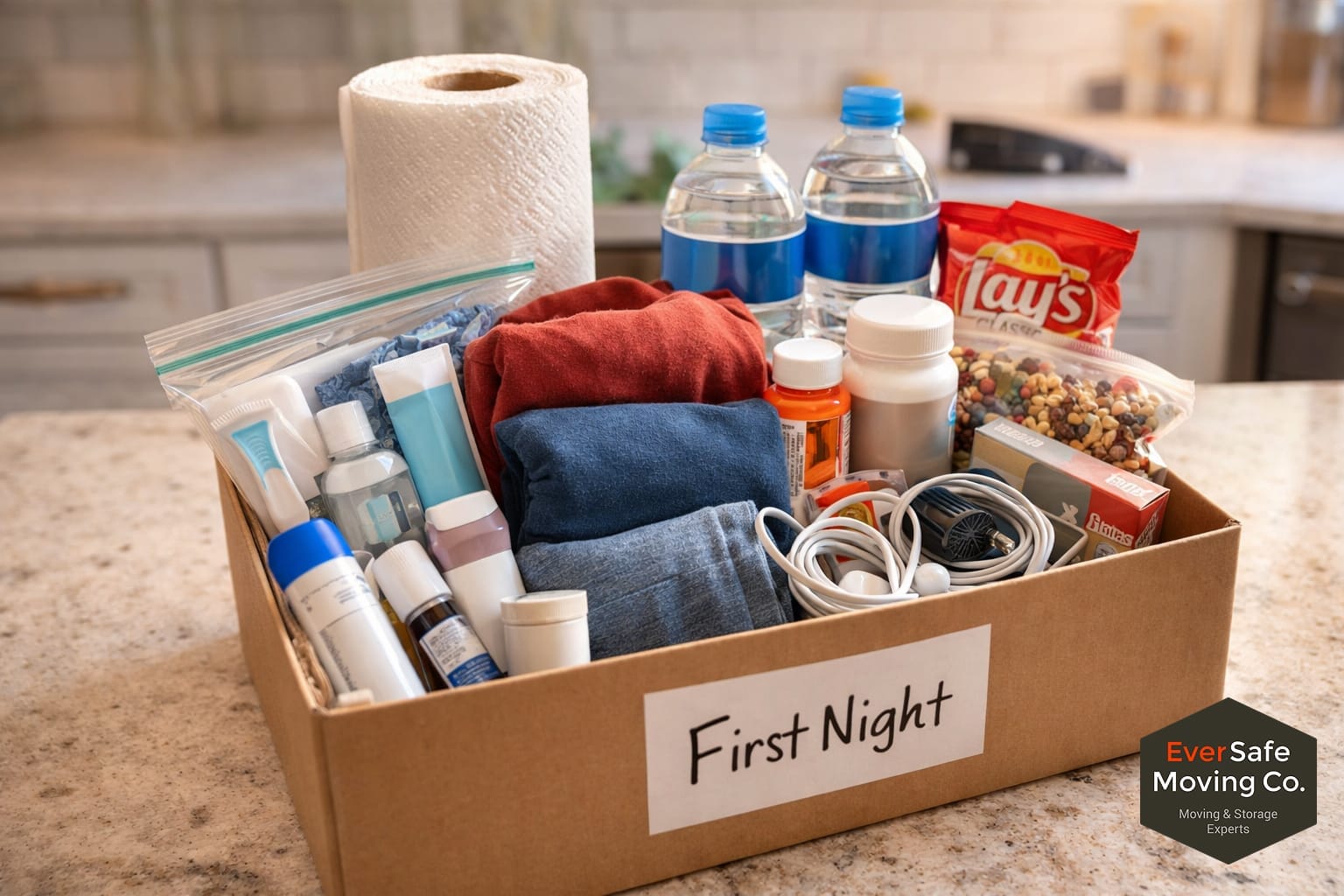
2. Pack a “First Night” Essentials Box
Pack a first-night essentials box and keep it in your own car instead of loading it onto the truck. That way, you’ll still have the basics on hand if unloading takes longer than expected or you don’t get to every box right away. Include the items you’re most likely to need right away, such as:
- Core: Medications, phone chargers, important documents, a change of clothes for each person, toiletries, toilet paper, and towels.
- Kitchen: A basic pot or pan, paper plates, utensils, trash bags, snacks, and bottled water.
- Kids and pets: Favorite toys, pet food, leashes, litter, diapers, or comfort items that help keep routines steady.
It also helps to plan an easy meal ahead of time, whether that means having snacks ready or downloading a delivery app the night before.
3. Prioritize Access Before Moving Day
Access problems can slow down a move before the first item is loaded. If you’re moving in a city, apartment building, or other tight-access area, make sure parking, building entry, and loading logistics are handled before the crew arrives.
- Building logistics: Reserve elevator or loading dock access in advance and confirm any required move-in or move-out windows.
- Parking: Identify a legal place for the truck to park and have a backup option if street access is limited.
- Tight spaces: Measure stairwells, entryways, hallways, and sharp turns ahead of time, especially in older homes or narrow Philadelphia row homes.
If your building requires floor coverings, elevator protection, or advance coordination with management, take care of those details early. A little preparation here can help prevent delays, access issues, and unnecessary wear on the property.
4. Use a Clear Labeling System
Vague labels make unloading slower and more confusing. Write the destination room and a short description of the contents on the side of each box so it can still be identified when boxes are stacked. A few simple labeling habits can make unloading and unpacking much easier:
- Use color-coded tape or stickers so each room is easy to recognize at a glance.
- Add clear labels such as “Open First,” “Fragile,” or “Heavy” where needed.
- Number your boxes and keep a simple list in your phone if you want an easier way to track what went where.
If you want more detailed guidance, check out our guide on how to label moving boxes before moving day.
5. Clear Walkways Before the Movers Arrive
Cluttered walkways can slow down the crew and increase the risk of accidents or minor damage. Before the movers arrive, clear anything that could get in the way, including:
- Loose rugs and hallway runners
- Stray power cords and toys
- Items left on the stairs
- Doors or entryways blocked by furniture, bags, or boxes
You may also want to protect corners, entry points, and floors in high-traffic areas before the crew starts moving furniture through the home. It’s also helpful to create a clearly marked “do not load” area so personal essentials, valuables, and important documents stay with you.

6. Keep Valuables and Essentials With You
Pack a personal bag for anything you wouldn’t want delayed, lost, or hard to replace. Keep it with you in your own vehicle instead of loading it onto the truck.
- IDs, passports, and lease or closing documents
- Medications, chargers, jewelry, and small electronics
- Payment details or wire instructions, if you’re closing on a home
Keep all keys together in one place, including mailbox keys, utility keys, and anything else you’ll need right away at the new property. As a general rule, if something is important, sensitive, or difficult to replace, it should stay with you.
7. Do a Quick Walkthrough With the Crew
Movers can work more efficiently when they understand your priorities from the start. Before loading begins, take a few minutes to walk the crew through anything they should know about the home, the furniture, or your unloading preferences.
- Point out fragile items, antiques, or furniture with existing damage.
- Identify anything you’ll want unloaded first, such as tools, bedding, or nursery essentials.
- Take photos of valuable pieces and furniture setups before disassembly.
- Place screws and small hardware in labeled bags and keep them attached to the correct furniture whenever possible.
8. Watch for Delays That Can Increase Costs
Unexpected delays can make your move take longer and increase the final cost. Some of the most common causes include:
- Long carries from the truck to the entrance
- Narrow stairs or difficult access points
- Elevator delays in apartment or condo buildings
- Packing that isn’t finished before the crew arrives
Before moving day, ask how the company handles hourly minimums, billing increments, additional services, and anything not included in the original estimate. Understanding the pricing structure ahead of time can make budgeting easier and help you avoid surprises.
9. Build a Concrete Contingency Plan
Even with good planning, delays can happen. If the truck is running late or plans change, keep a record of texts, emails, and updated arrival details. And if space becomes an issue, prioritize essential and high-value items first, then confirm the timing and cost of any follow-up trip before agreeing to it.
- Keep the contact information for a local truck rental company or labor-only moving service just in case.
- Think through a backup option for overflow items if truck space becomes tight.
- Move pets, medications, documents, and valuables into your own vehicle if the schedule starts to shift.
10. Understand Your Coverage Options Before Moving Day
Before moving day, make sure you understand the valuation or protection options offered by your mover. Basic Released Value coverage is limited and may not be enough for electronics, antiques, or other expensive belongings. Full Value Protection generally offers broader coverage, which may make more sense if you’re moving higher-value items.
It also helps to create a clear record before the move begins. Take photos of furniture and fragile items, keep a signed copy of the bill of lading, and document any damage as soon as you notice it. Be sure to check the contract for claim deadlines and filing requirements.
11. Plan Ahead for Tipping
Tipping movers is common, but the amount can vary depending on the size and difficulty of the job. Some homeowners prefer an hourly guideline, while others choose a flat tip per mover for smaller jobs. The right amount usually depends on the level of service, the complexity of the move, and your budget.
You may want to tip more when the job involves:
- Multiple flights of stairs or long carries
- Heavy, fragile, or specialty items
- Exceptional care, efficiency, or a move that runs late
Before moving day, ask whether gratuity is included in the total or handled separately. If you plan to tip in cash, setting it aside ahead of time can make things easier at the end of the day. And if tipping isn’t realistic for your budget, that’s okay too.
12. Do a Final Walkthrough Before the Truck Leaves
Before the movers leave, do one final walkthrough of the home. Check closets, cabinets, drawers, storage areas, and the garage to make sure nothing gets left behind. This is also the best time to confirm that labeled boxes are headed to the right rooms and that any “do not load” items are still with you.
If possible, compare what’s been loaded against your estimate or inventory paperwork before the truck pulls away. A quick final check can help you catch missing items, reduce confusion at delivery, and leave the property with more peace of mind.
If you’d rather have experienced movers help keep everything on schedule, EverSafe Moving can help you plan your move with clear communication and upfront guidance. Request a free estimate to get started.
Frequently Asked Questions About Moving Day
What should I do if my movers are late or don’t show up?
Start by checking your confirmation email or booking details to verify the arrival window. Then call the moving company right away for an updated ETA and next steps. If the delay becomes serious, it helps to have backup options in mind, such as a truck rental company or labor-only movers. Keep pets, medications, documents, and valuables with you while the schedule gets sorted out.
How much should I tip movers?
Tipping movers is common, but it’s still optional. Many people use an hourly guideline, while others prefer a flat tip per mover for smaller jobs. The right amount depends on the size of the move, the difficulty of the access, and the level of service provided. If you plan to tip in cash, it helps to prepare that ahead of time.
Should I pay for Full Value Protection or is basic coverage enough?
Basic coverage is usually limited, which means it may not be enough for electronics, antiques, or other high-value items. Full Value Protection generally offers broader coverage, so it may be worth considering if you’re moving items that would be expensive to repair or replace. If damage occurs, file your claim as soon as possible and keep your inventory, bill of lading, and photos organized.
What’s the best moving day checklist to follow?
A good moving day checklist should focus on the details that affect timing, access, and organization the most. Start with your essentials box, labels, parking plan, and a final walkthrough of the home before the truck leaves. If you want a more detailed list, EverSafe’s moving checklist can help you stay organized room by room.
How do I avoid last-minute packing chaos?
Try to finish packing at least 24 hours before the movers arrive. Packing on moving day can slow everything down, make the home harder to navigate, and add unnecessary pressure. If you still need help getting organized, our packing tips for moving guides can help you prepare more efficiently.
Make Moving Day Easier to Manage
A smoother moving day usually comes down to preparation, communication, and working with a team you trust. Whether you’re moving across Philadelphia or planning a longer relocation, taking care of the details ahead of time can make the day easier to manage.
Browse our residential movers page for a full list of services. When you’re ready for a transparent estimate backed by our Price Lock Guarantee, request a moving quote — no surprises, no hidden fees.