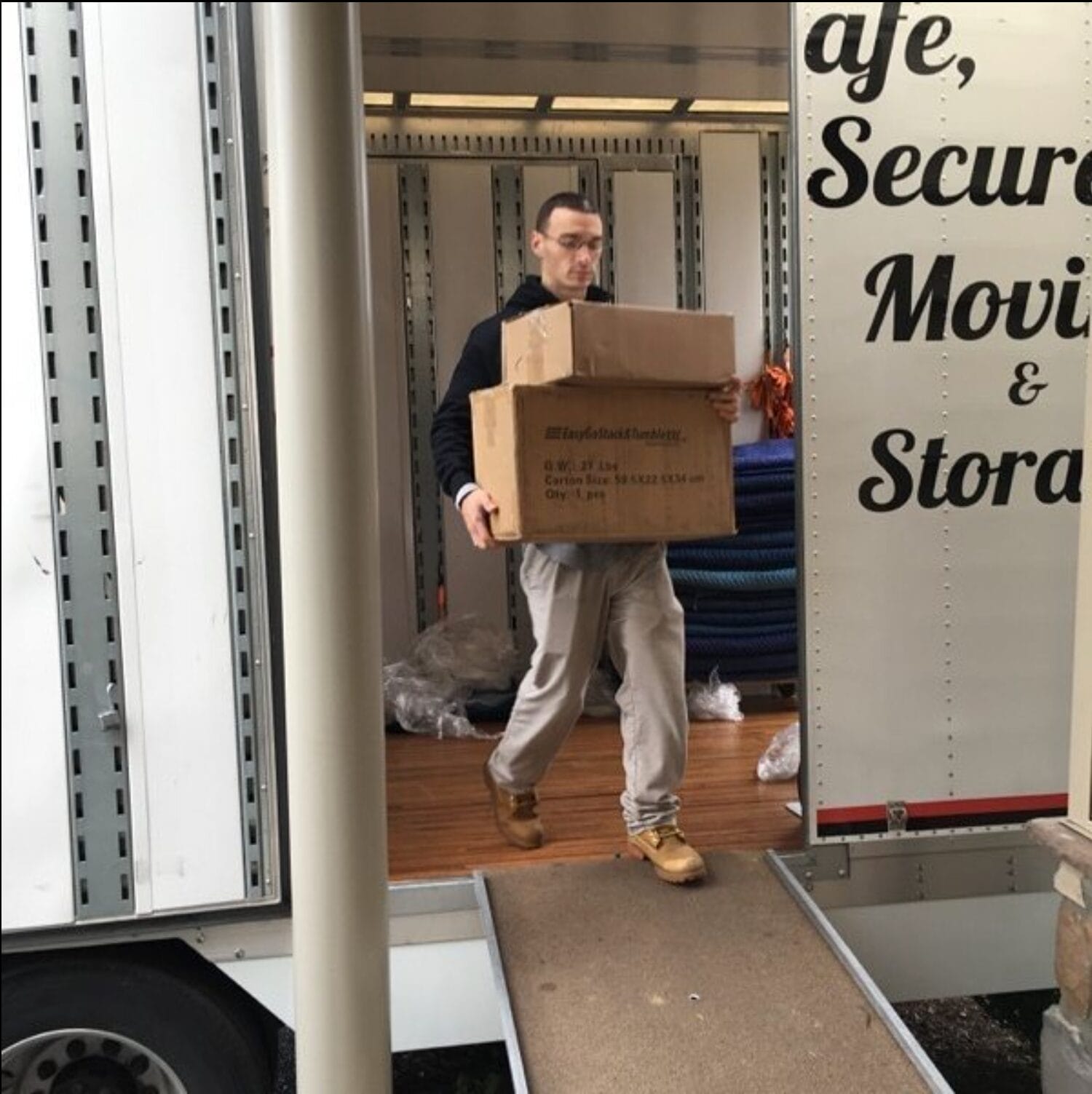
Packing fragile items for moving requires the right materials, a structured layering method, and strong boxes that prevent shifting. Using proper wrapping, cushioning, and immobilization techniques helps protect delicate items like glassware, mirrors, and antiques during transport.
Most households can handle basic fragile packing with the right approach. However, for high-value, irregular, or irreplaceable items, using advanced techniques or hiring professional packing services from experienced residential movers significantly reduces the risk of damage.
Before you start packing, gather the right materials: small or medium sturdy boxes (or double-walled dish packs), acid-free packing paper, bubble wrap or honeycomb wrap, void fill, strong packing tape, and labels.
EverSafe’s packing methods are based on proven techniques used to handle delicate and high-value items. This becomes even more important for long distance moves, where items are exposed to longer transit times and more handling. Using the right process matters more than using expensive supplies.
Inventory and Triage Your Fragile Items
Avoid packing everything the same way by sorting items before wrapping. A quick triage across your home helps prioritize effort and reduces the risk of damage:
- Everyday Replaceable: basic glassware and modern dishes.
- Sentimental: heirlooms and family photos.
- High-Value: fine art, antiques, and collectibles.
- Awkward: chandeliers, large vases, or instruments.
Photograph all sentimental and high-value items before packing. These images help document their condition in case of damage claims.
Standard valuation coverage from movers is typically limited (often around $0.60 per pound), which may not fully cover fragile or high-value items. Consider additional protection for valuable belongings.
If an item is irreplaceable, unusually shaped, or highly delicate, consider specialty crating or professional packing. If your inventory feels overwhelming, professional packing services can handle high-risk areas efficiently.

Gather Your Professional Packing Kit
To prevent surface damage and vibration during transport, use high-quality packing materials:
- Ink-free packing paper: prevents staining on delicate surfaces
- Wrapping materials: honeycomb paper for sturdy items; bubble wrap for fragile or complex shapes
- Void fill: crumpled paper, towels, or biodegradable peanuts
- Packing tape and labels
The Tape Rule
Never let adhesive touch the item itself. Always tape wrapping materials to themselves, not directly to the object. This prevents damage to finishes and avoids sticky residue.
The EverSafe 3-Layer Standard
Every breakable needs three distinct layers for maximum protection:
- Skin: a layer of paper or wrap to prevent surface scratches.
- Shock Cushioning: bubble wrap or paper to absorb impact.
- Immobilization: void fill to eliminate movement inside the box.
Verification: after sealing the box, gently shake it. If you hear or feel movement, add more padding. Any movement increases the risk of breakage.
Prepare Your Boxes to Prevent Structural Failure
Structural failure is a common cause of breakage. Use small or medium boxes for heavy items, and double-walled dish packs for dense or delicate materials. Avoid overloading large boxes with heavy contents.
Reinforce the bottom using the H-tape method. Apply 2–3 strips along the center seam, then seal both edges. This distributes weight evenly and prevents box failure.
Steps for a safe load:
- Create a 2-3 inch cushion base of crumpled paper before placing the first item.
- Apply the awkward-heavy rule: if the box is hard for one person to lift, split the contents into two boxes.
- Perform a lift-and-listen test. If you hear shifting, add padding until the contents are still.
Pack Dishes, Mugs, and Glassware Using the Professional Method
Use the wrap, cushion, and immobilize method for every item to prevent pressure-related damage during transport.
Plates and Platters
- Wrap every piece individually in packing paper.
- Pack plates on their edges like vinyl records. The sturdy rims absorb shock; the fragile centers don’t.
- Place crumpled paper between every group of four plates to prevent vibration.
- Avoid face-to-face stacking without a thick paper buffer between surfaces.
Bowls and Mugs
Nest items only when each piece is fully wrapped and internal voids are stuffed with paper. Never let ceramic touch ceramic — vibration causes chipping. Add extra padding around handles and fragile protrusions before the final wrap.
Glassware and Stemware
Reinforce vulnerable stems and thin handles with several layers of paper before wrapping the body. Fill the inside of every glass with crumpled paper for internal support. Stand glasses upright; laying them on their sides creates horizontal pressure along the weakest point.
Box Finishing Rules
Fill all gaps until nothing moves. Add a final cushion layer before sealing. Label the box as “Fragile” on multiple sides. If the box shifts when shaken, add more padding before closing.

Strategy for Specialty Items and Non-Standard Shapes
Not every fragile item fits neatly in a box. If an object cannot be immobilized with three inches of clearance on all sides, move from a boxing strategy to bracing or crating.
Bracing uses custom cardboard or wood supports to secure a fragile neck or base, preventing the snap that happens when top-heavy items tip inside a container.
Mirrors and Framed Art
- Apply plastic corner protectors to all four edges.
- Secure rigid cardboard shielding over the glass surface.
- Transport these items upright on their edges at all times.
CAUTION: Never lay mirrors flat or stack heavy items against the glass. For a detailed workflow on protecting mirrors, see our mirror moving guide.
Electronics, Lamps, and Decor
- TVs and Monitors: use original packaging. If unavailable, use a rigid screen protector and a heavy-duty box with a snug fit.
- Lamps: remove the bulb, harp, and shade. Pack these components in separate boxes to prevent metal frames from bending.
- Chandeliers: photograph the wiring before disassembly. Bag and label all hardware, then immobilize the arms with custom cardboard bracing.
- Musical Instruments: use a hard-shell case and fill internal voids with soft cloth.
Verification: once packed, gently move the container. You should not hear any rattling or feel the item shift. If it does, repack.
Seal, Label, and Load to Prevent Transport Damage
The most common breakage happens when boxes shift in the truck or when people rush the first-night unpack. This final step protects items that were packed perfectly from breaking during the last mile. Even a perfectly packed box fails if it collapses or slides during transport.
Seal the Container
Seal every fragile box like it’s shipping freight. Use the H-tape method: seal the center seam and both end seams on top and bottom. For heavy boxes, add a full wrap of tape around the horizontal edges to prevent cardboard from bowing under pressure.
Label for Behavior
Labels should dictate handling behavior, not just say ‘Fragile.’
- Room and Contents: use specific descriptions like ‘Kitchen: Stemware.’
- Directional Arrows: mark ‘This Side Up’ on all four sides.
- Stacking: mark ‘Top Load Only’ for lampshades or electronics.
Loading Rules
Never use fragile boxes as gap-fillers to stabilize a load. Place them on top of heavy, stable bases like crates or solid furniture. Prevent movement with snug stacking, soft blocking with blankets, and straps where available. Avoid leaving antiques, art, or electronics in a hot truck — extreme heat cracks wood finishes and damages circuitry.
Safe Unboxing Protocol
- Open boxes on a clear, flat surface.
- Cut tape with a shallow blade to avoid scratching finishes.
- Inspect for cracks before lifting items out.
- Save all packing materials until you confirm everything is intact — you will need them for any claims.
Frequently Asked Questions About Packing Fragile Items
Do I really need dish packs, or are regular boxes fine?
Standard boxes work for light decor, but double-walled dish packs are necessary for heavy glassware and plates. Their reinforced construction prevents sides from bowing or crushing when boxes are stacked in the truck. For high-density items or long-distance moves, the extra protection is worth the small price difference.
Is bubble wrap necessary, or can I pack fragile items without plastic?
You can pack without plastic by using towels, linens, or honeycomb paper wrap. These work well for sturdy ceramics and decor. Bubble wrap remains the safest choice for thin stemware or complex shapes. If you skip plastic, increase your void fill so nothing moves inside the box.
Can I use newspapers to wrap fragile items?
Avoid standard newspapers for anything with a porous or light-colored finish. The ink transfers and can permanently stain fine china, unsealed wood, or silver. Use clean, ink-free packing paper instead. It’s inexpensive, keeps your belongings clean, and provides a scratch barrier.
What is the difference between moving insurance and valuation coverage?
Standard valuation is not insurance. Coverage is typically limited and may not fully protect high-value items. Ask your mover about Full Value Protection for better coverage. Take clear photos of items before packing to document their condition.
Should I pack fragile items myself or hire a packing service?
If you have the patience to follow professional methods, DIY works well and saves money. For irreplaceable antiques or high-value collections, a professional packing service reduces risk significantly. Pros use industrial-grade materials and techniques that are difficult to replicate without experience.
What should I unpack first to reduce breakage?
Unpack your open-first essentials, then clear floor space by assembling large furniture. Always unpack fragile boxes on a flat, sturdy table rather than the floor to prevent accidental stepping or tipping. Use a free moving checklist to prioritize your boxes and keep your new space organized.
Pack Smart, Move With Confidence
Learning how to pack fragile items for moving correctly takes some preparation, but the process is straightforward once you have the right materials and method. Apply the 3-layer standard to every breakable, reinforce your boxes with the H-tape method, and label everything clearly before it reaches the truck.
If you’d rather leave the fragile work to the pros, EverSafe Moving Co. offers full and partial packing services throughout the Philadelphia area. We bring the supplies, the experience, and the care — you just point us to the boxes.
